
You've made it!
Weeks 13 to 27. The second trimester. For many people, this is the stretch of pregnancy where things begin to feel more possible. The relentless exhaustion of the first trimester starts to ease. Nausea, for most, begins to settle. Your bump becomes visible — to you first, then to the world. And for the first time, you may start to feel genuinely excited rather than simply surviving.
But we also want to be honest with you from the start: the second trimester is not universally golden. Some people continue to feel unwell. Some carry anxiety that doesn't lift with the end of the first trimester. Some are navigating complicated pregnancies, difficult relationships, financial stress, or a healthcare system that doesn't always make them feel safe. All of that is real, and all of it belongs here too.
This module is built for wherever you are — not just where pregnancy books say you should be.
What the Second Trimester Actually Is
The second trimester spans weeks 13 through 27 of your pregnancy. It sits between the early weeks — when your body was adjusting to an entirely new hormonal reality — and the final stretch, when your body begins preparing in earnest for birth.
These 15 weeks are some of the most significant of your pregnancy. Your baby grows rapidly, developing hearing, movement, and the beginnings of a sleep-wake cycle. Your body continues to change in ways that are sometimes wonderful, sometimes uncomfortable, and often both at once. And some of the most important screenings and conversations with your care team happen right now.
Understanding what to expect — physically, emotionally, and medically — is one of the most powerful things you can do for yourself during this time. That's what this module is here for.
The Physical Shift
For most people, the second trimester brings a meaningful change in how pregnancy feels day to day.
Energy returns. The deep fatigue that characterizes the first trimester — caused by surging progesterone and the enormous work of early placental development — typically begins to lift around weeks 13 to 14. Many people describe feeling more like themselves again during this period.
Nausea eases. Morning sickness, which affects up to 80% of pregnant people in the first trimester, tends to improve significantly by weeks 12 to 14. For some it resolves completely; for others it lingers. If you're still experiencing nausea well into the second trimester, you are not alone — and it's worth mentioning to your provider.
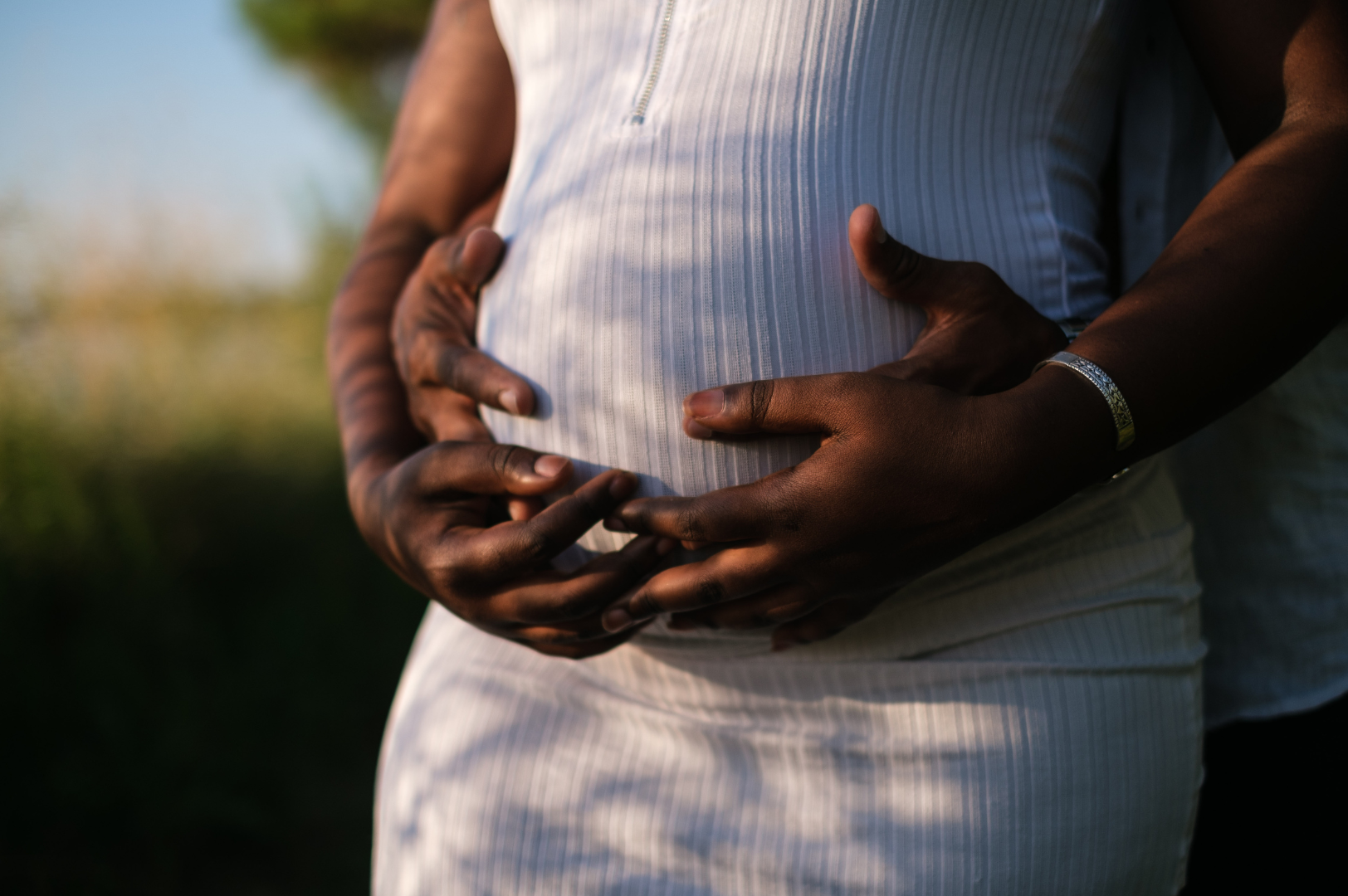
Your bump becomes visible. As your uterus grows out of your pelvis, your pregnancy becomes more apparent — both to you and to others. For many people this is a meaningful and exciting milestone. For others it brings up complex feelings about body image and identity. Both responses are valid.
New discomforts emerge. As the relief of the first trimester fades, a new set of physical experiences arrives. Round ligament pain, back pain, heartburn, leg cramps, nasal congestion, and skin changes are all common in the second trimester. We cover each of these in detail in Lesson 3.
The Emotional Landscape
The second trimester is often described as emotionally easier — and for many people, it is. But emotional experience during pregnancy is deeply individual, and it's worth naming what this trimester can actually feel like.
Relief and excitement are common as the risk of miscarriage drops significantly after 12 weeks and the pregnancy feels more real and secure. Feeling your baby move for the first time — typically between weeks 18 and 22 — is a milestone many people describe as transformative.

Anxiety doesn't always lift. For some people, the second trimester brings new worries — about the anatomy scan, about preterm birth, about becoming a parent. Prenatal anxiety is common, real, and treatable. It is not a sign that something is wrong with you. Lesson 9 of this module covers mental health in the second trimester in full.
Identity and relationships shift. As your pregnancy becomes visible, it becomes more real to the people around you — which can change your relationships in ways you didn't anticipate. Partners, family members, colleagues, and friends may all respond to your pregnancy in ways that feel supportive, intrusive, joyful, or complicated. Navigating this is part of the work of the second trimester.
A Note for Black Women
We want to speak to you directly here — because this module, and Nurture and Knowledge as a whole, was built with you in mind.
The statistics on Black maternal health in the United States are not abstract. In 2024, the maternal mortality rate for Black women was 44.8 deaths per 100,000 live births — more than three times the rate for white women. This gap is not explained by education or income. Black women with college degrees still face higher pregnancy-related mortality than white women without a high school diploma.

This disparity is rooted in systemic racism — in the way healthcare systems have historically dismissed, minimized, and underserved Black patients. It shows up in appointments where pain is not taken seriously, in symptoms that are not followed up on, and in a persistent cultural myth — thoroughly debunked by science — that Black people have a higher pain tolerance than white people.
Understanding this is not meant to frighten you. It is meant to equip you.
Throughout this module, you will find specific guidance on:
-
The conditions Black women face at higher rates — including preeclampsia, gestational diabetes, preterm birth, and anemia
-
How to advocate for yourself at prenatal appointments
-
What warning signs to watch for and when to insist on being seen
-
How to choose providers and hospitals that have demonstrably better outcomes for Black mothers and babies
You deserve care that sees all of you. This module is part of making sure you get it.
All The Tools You Need To Build A Successful Online Business
Lorem ipsum dolor sit amet, metus at rhoncus dapibus, habitasse vitae cubilia odio sed. Mauris pellentesque eget lorem malesuada wisi nec, nullam mus. Mauris vel mauris. Orci fusce ipsum faucibus scelerisque.